

Queen of Modern Zulu Music - The Busi Mhlongo Story
“A revolutionary vocalist opening the doorways between spiritual and physical.”
Busi Mhlongo, called early to music, leaves a marriage, a daughter and apartheid South Africa for sixteen years. She survives exile, industry exploitation, addiction and cancer to return to her Zulu roots and remake world music on her own terms. Now friends and family reclaim the recognition she never lived to enjoy.
The Busi Mhlongo Story is a hybrid feature documentary. Blending observational and interview-based storytelling with electrifying performance sequences and never-before-seen archives, Busi’s multi-facetted artistic Afro-centric appeal is re-awakened.
Hailing from rural KwaZulu-Natal, at thirteen, Busi attends the showing of King Kong the musical in Durban, starring Miriam Makeba. And a life-long fascination with the stage begins. In her 50-year artistic journey her gigantic voice bends every genre it touches — 1960s South African musical theatre and jazz, Black American soul, London's Afro Rock scene, the world music circuit of 1980s Amsterdam. Yet the industry that celebrates her also exploits her. Cancer strikes. She heals and returns home to Durban to rediscover her authentic self through ancient Zulu music. Mhlongo weaves together music, fashion, styles, generations and time epochs into a unique Afrofuturistic art aesthetic. She charts to number one in the world with the Urban Zulu album (1999). Mhlongo overcomes many barriers and changes the status of African female singers. Her journey is of mythological status and an inspiration to the Afro-futuristic youth. In a song of the Babhemu album, Busi personifies the Nguni Goddess, Nomkhubulwane. Yet, Mhlongo dies in 2010, aged 62 without the recognition she deserves. More than a biographical music documentary, the Busi Mhlongo is the revival of the legacy of a great icon of South African music.
Busi Mhlongo
Amakholwa - Believers by Busi Mhlongo
AMAKHOLWA - THE BELIEVERS BY BUSI MHLONGO. THE FINAL ALBUM FROM THE AFRICAN SOUND SENSATION DIGITALLY RE-RELEASED ON ALL STREAMING PLATFORMS

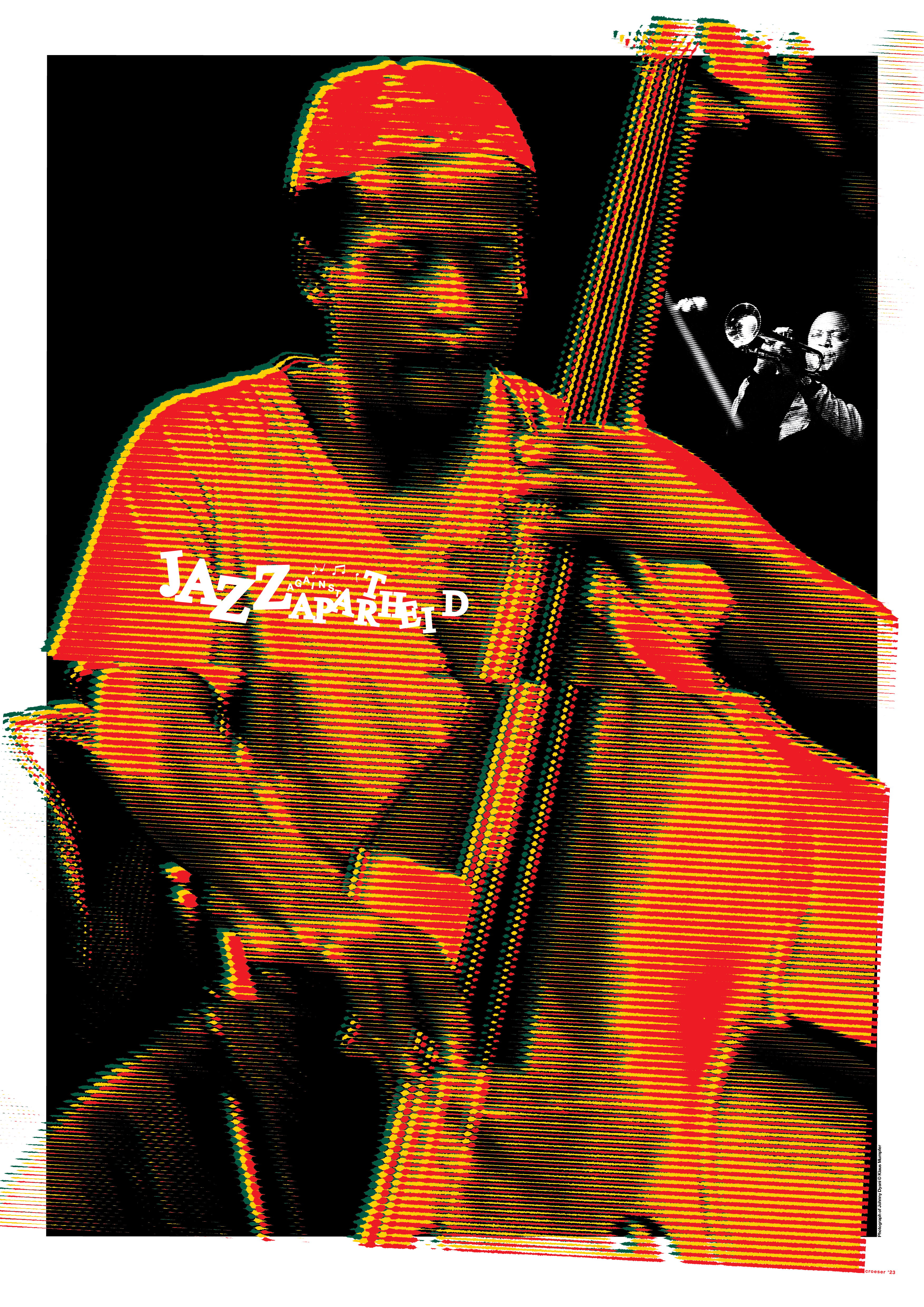
Jazz Against Apartheid
Culture is a wheel of understanding one another or telling a story that cannot otherwise be told as a collective. Both Germany and South Africa have very violent histories. We need to learn from the past and arts and music is the very backdrop of these era’s. In the struggle against apartheid, it was arts and music that supported it, moved people together and it accelerated the necessary transformation. Like jazz musicians are the narrators of our current issues and our current times, they were the narrators of those times too.
In 2021 President Cyril Ramaphosa bestowed the Order of the Companions of O.R. Tambo in silver on Jurgen Leinhos for his commitment and determination for standing by the oppressed and fighting for their cause as an anti-apartheid activist. This recognition opened the gateway to bring Dyani’s legacy and Jazz Against Apartheid home to its roots in the Eastern Cape. His first Homecoming after exile was in a body bag in 1986 but his legacy known as Jazz Against Apartheid was now coming home. German activist Leinhos had preserved his culural memory, so as to "save this art of exile from oblivion with the music of Johnny Dyani. In our project Jazz against Apartheid we therefore also see a key for the cultural memory of South Africa.”
Key themes include Legacy of exile, heritage, co-operation and collaboration. The empathy, compassion and musical cross-fertilisation between South Africa and European musicians is a means to overcoming shared challenges of oppression, suppression and depression. Under the theme of Imvuselelo, a re-awakening to the richness of the cultural history, highly professional international musicians from abroad collaborate with young artists from underserved communities. Future talents are nurtured and developed in music through “Nachwuchsförderung.” This is the conscious practice of transferring societal values, knowledge and skills to the next generation through workshops and mentorship. Filmed, recorded and documented in Johannesburg, Eastern Cape, Frankfurt, the profiling the legends of South African jazz history and heritage is a legacy that may inspire a cultural exchange of community centres, emerging and professional musicians.