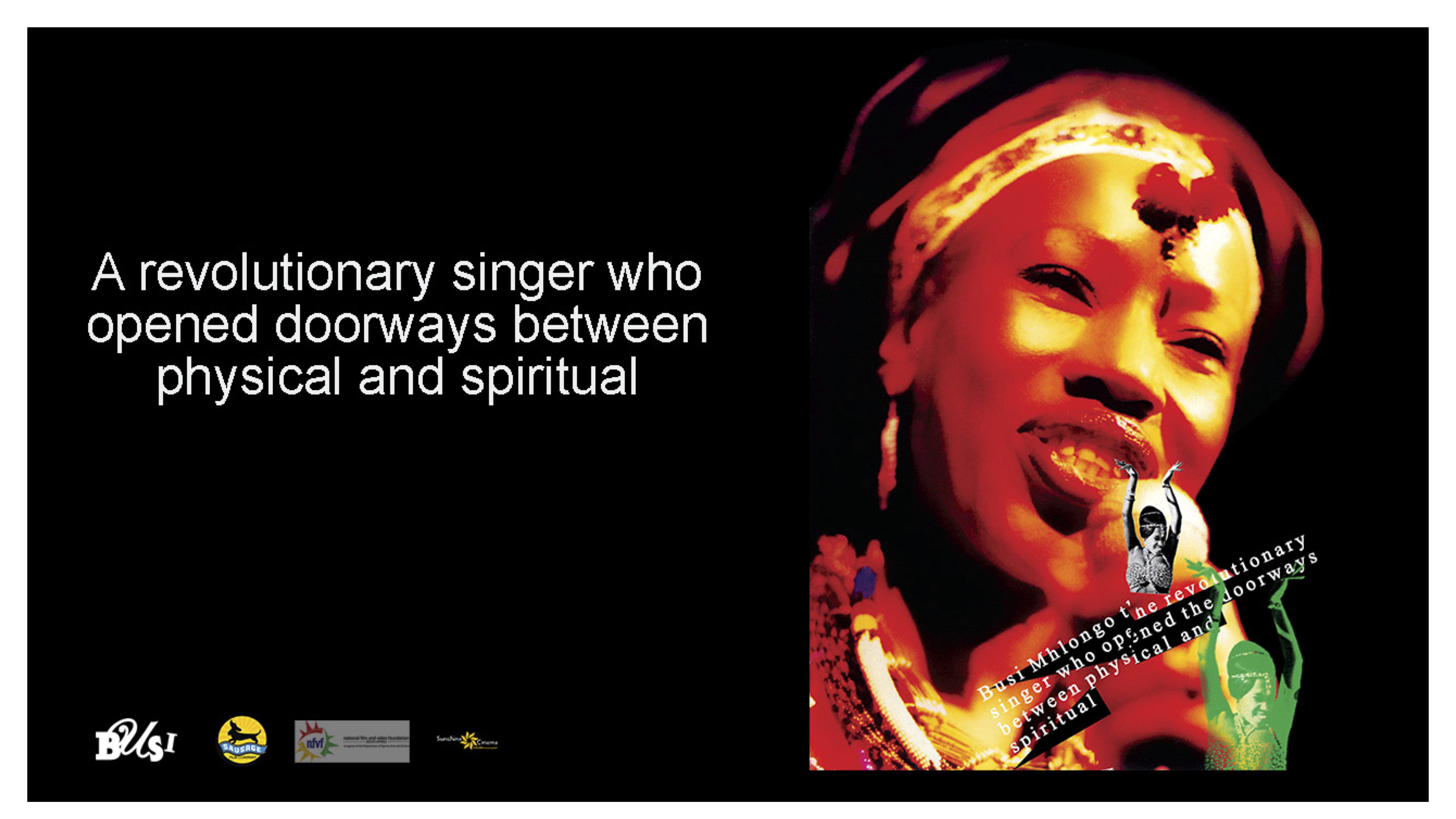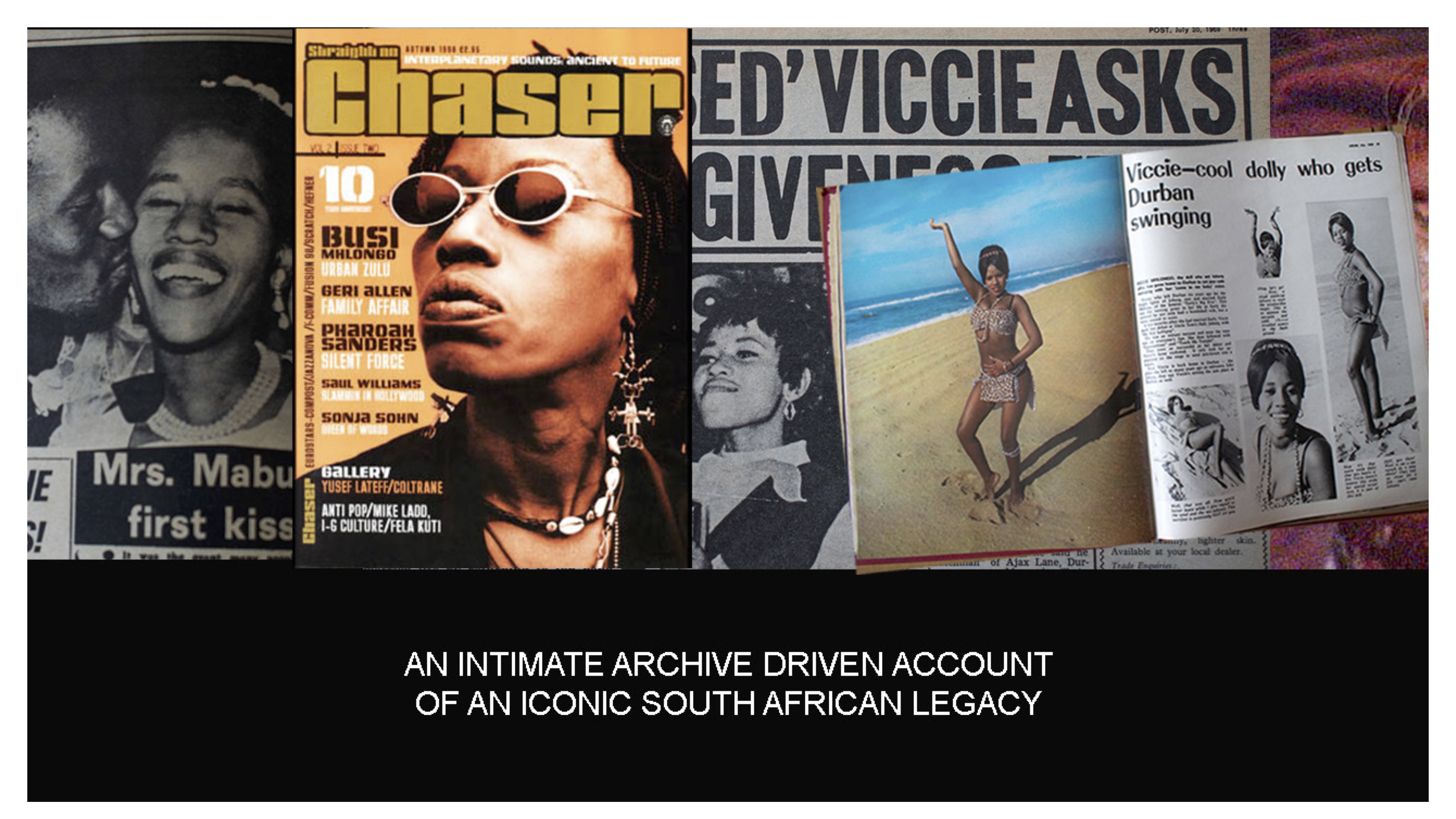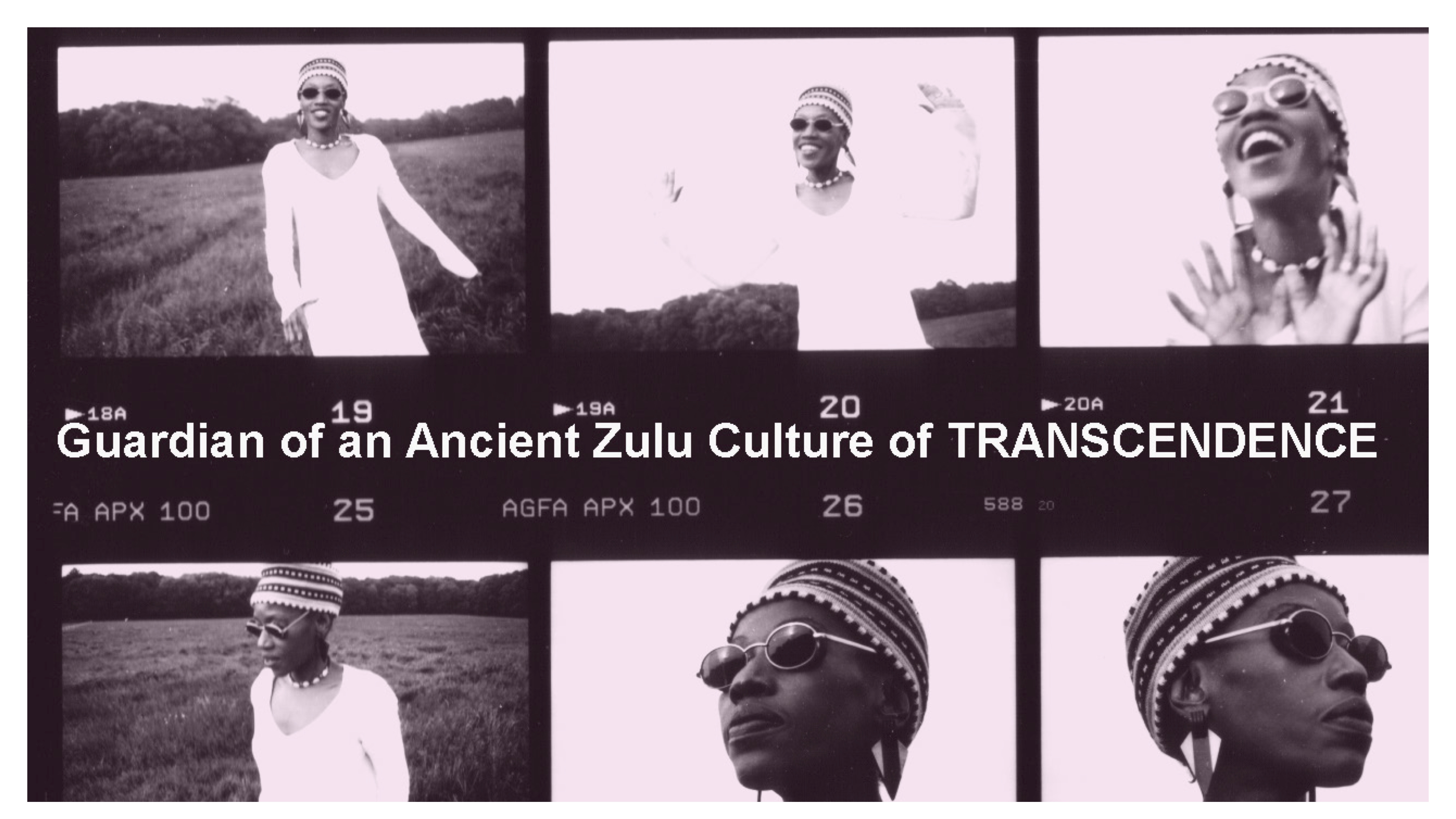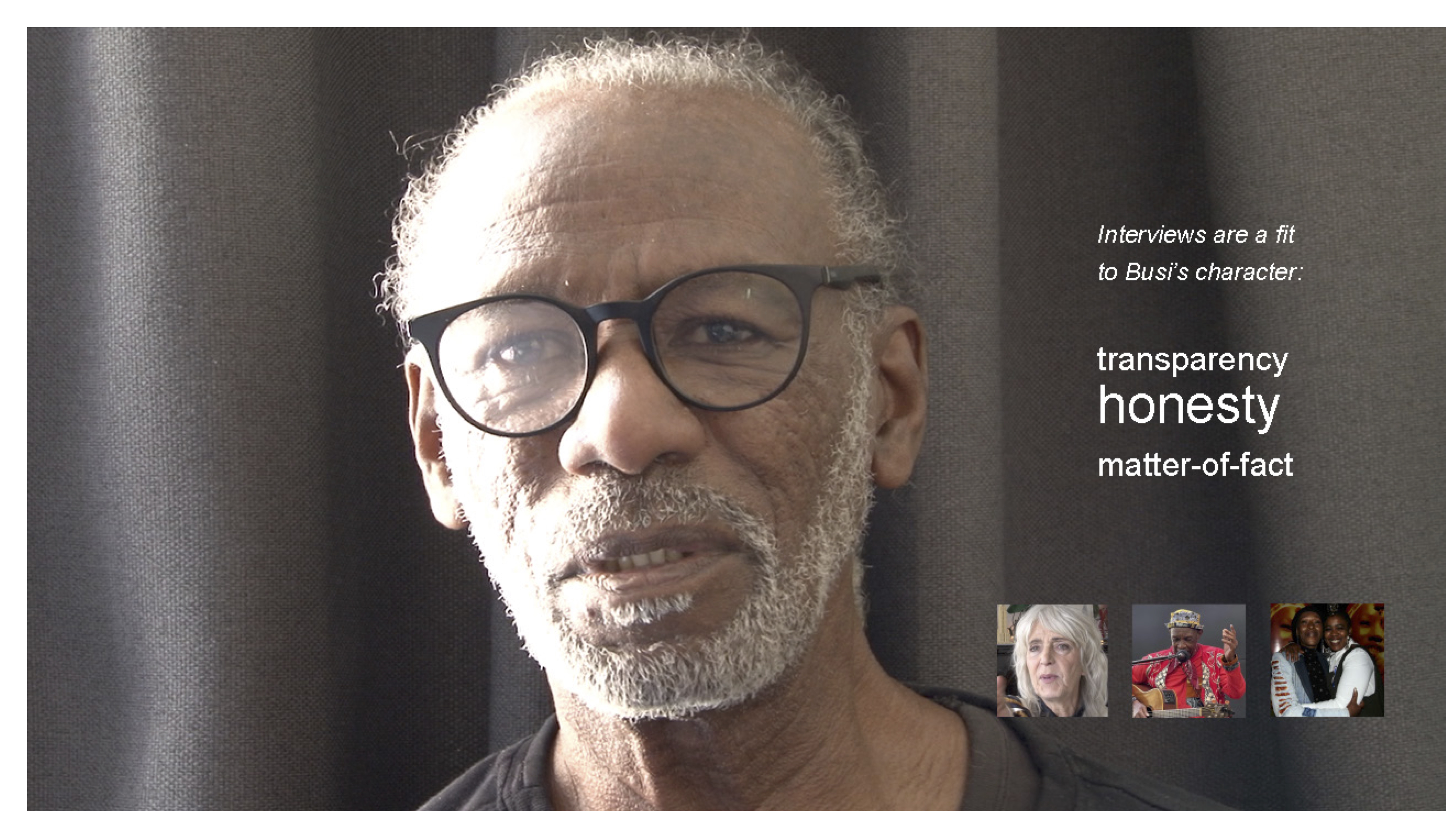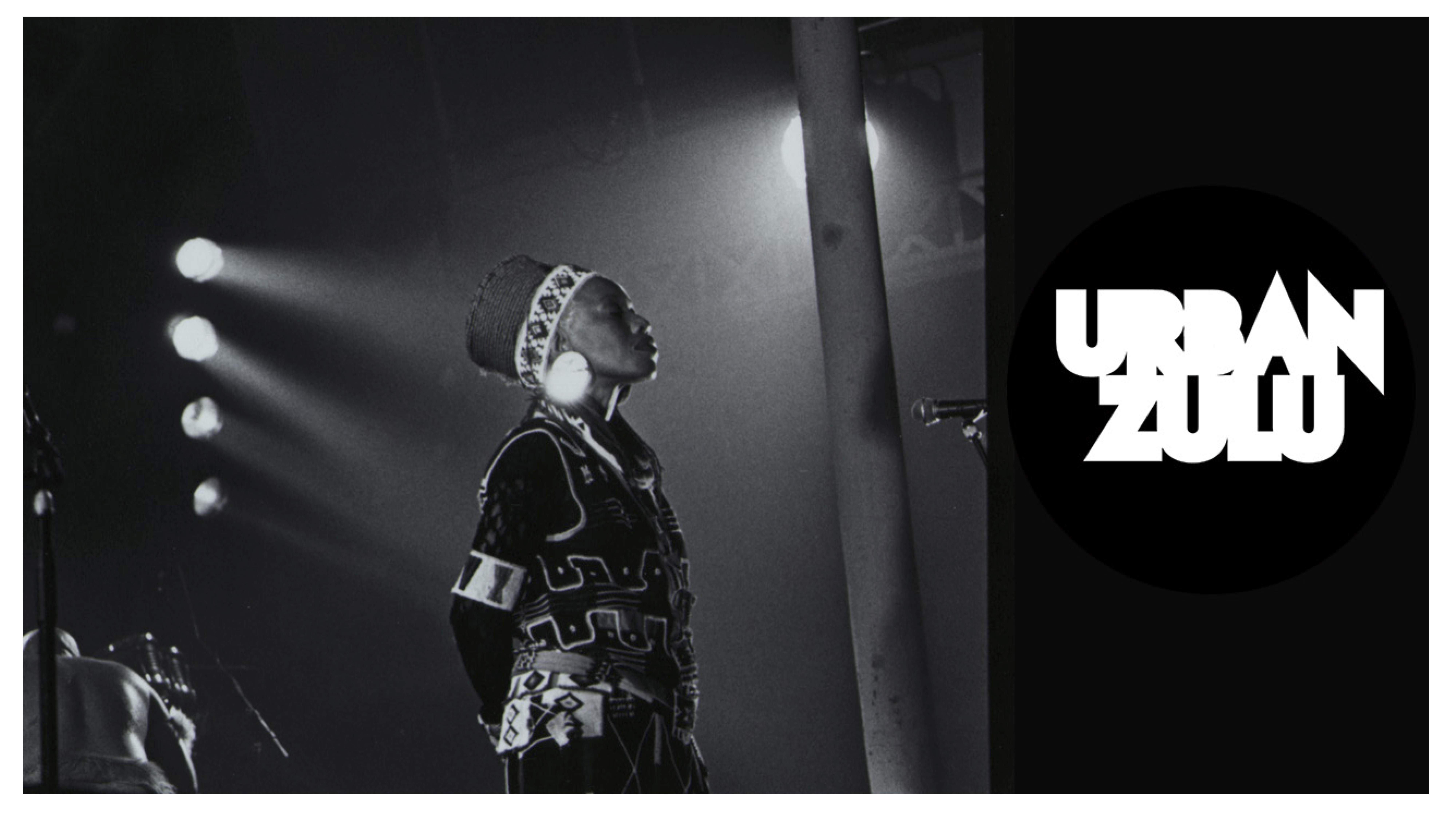
Thank you for this opportunity to present a narrative of an iconic South African legacy that has not yet been told and that is the exciting new feature film Urban Zulu : The Busi Mhlongo Story.
The Story of Mam Busi Mhlongo is more than a musical and biographical documentary of a vocalist who against all odds chartered a legendary path from semi-rural KZN roots to the top of the world charts.
This is the documentary of a trail blazing woman changing the playing fields for generations to come. As we near what would have been her 80th birthday on October 27th 2027, the need to shine a light on this powerful international legacy is gaining significant momentum for her distinctly KZN legacy.
My name is Struan Douglas, an author and musician from Durban. To work on such a project is an honour as everything Busi touches turns to gold. This can be clearly evidenced by the extraordinary careers of her many musical children, from Thandiswa Mazwai to Black Coffee and Nduduzo Makhatini, plus current and future generation female band leaders such as Thandi Ntuli, Siya Makuzeni and Neahtyah Mbuyazwe who take power and direction from her legacy.
The project has significant impact too because like the legends before her Solomon Linda, Mahlatini Simon Nkabinde, Dolly Rathebe and Thandi Klaasens; Busi died with little or no access to her music rights.
Having worked as an investigative journalist into the historical legacy practices I am passionate about education in music business practices. The restoration Busi’s legacy brings a healing power to the South African music rights historical inequality legacy, just like the formation of the Miriam Makeba Family Trust was in ‘94.
Having lived 16 years in exile in Portugal, London, Toronto and the Netherlands, Mam Busi has created a large and distinguished network of trustees from her family homestead in Inanda to her record label and testimonial trust in Durban and her former colleagues and co-production partners in the Netherlands. The direct heir to her life’s work are her daughter and grandchildren based in the United States.
Busi is a pioneer in a musical genre known as world music, a combination of travel and music. My first encounter with Busi was in 1994 at the Awesome Africa festival. The deep Zulu roots, the stirring Shembe invocations together with the driving funk and Pan African rhythms of her performance broadened my horizons. And as a widely collaborative artist, Busi’s career touched meaningfully on a whole generation of great Zulu musicians from Princess Magogo to Bheki Mseleku, Madala Kunene, Doc Mthalane and Mshaks Gaza.
This story has the potential to opens the eyes and ears, hearts and minds of audiences to the vibrant and diverse music and film culture of KwaZulu Natal.
Using the horizontal approach of collaboration and agency in the film making process for, the project intends on making a positive impact in job creation and Education.
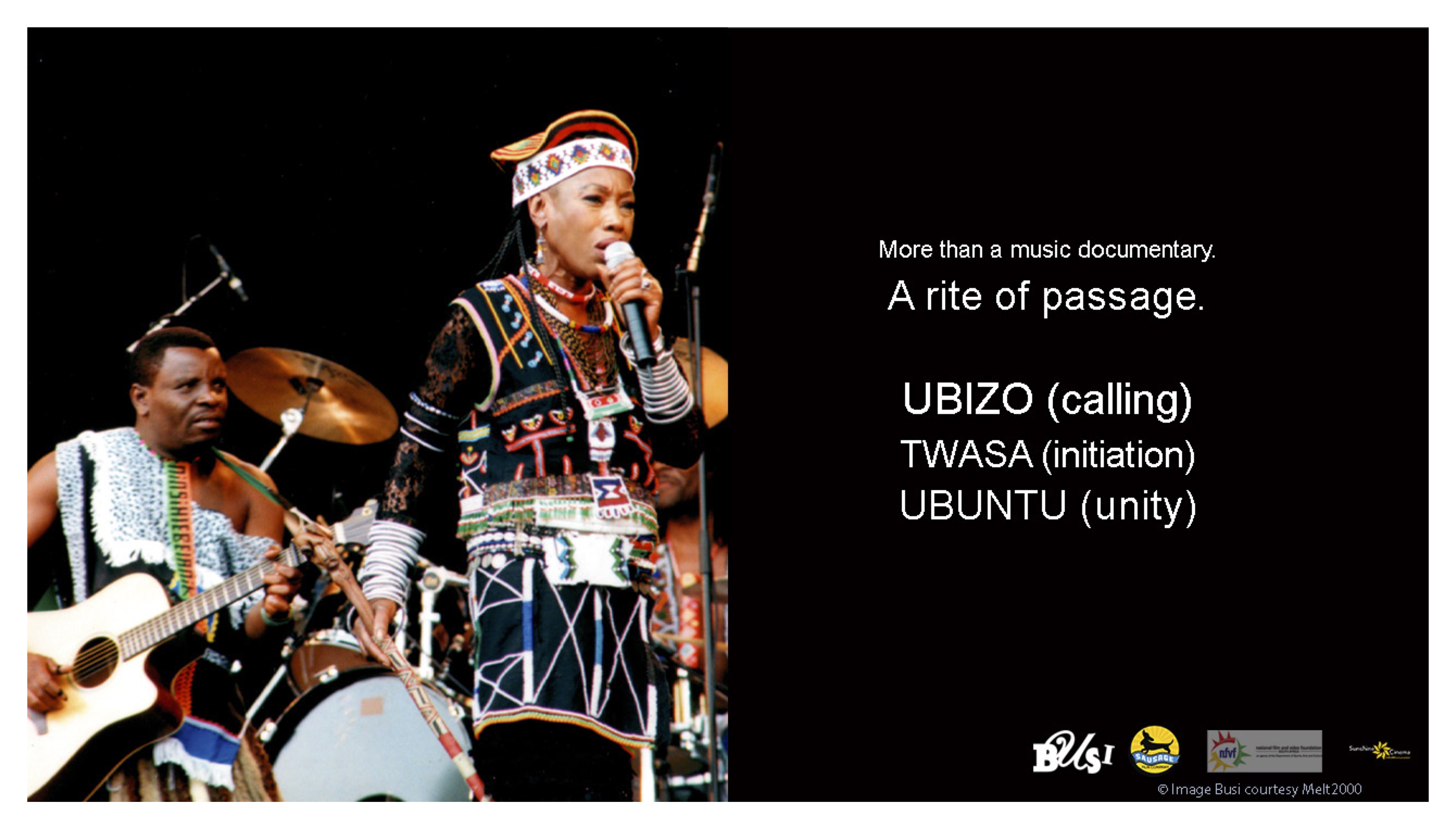
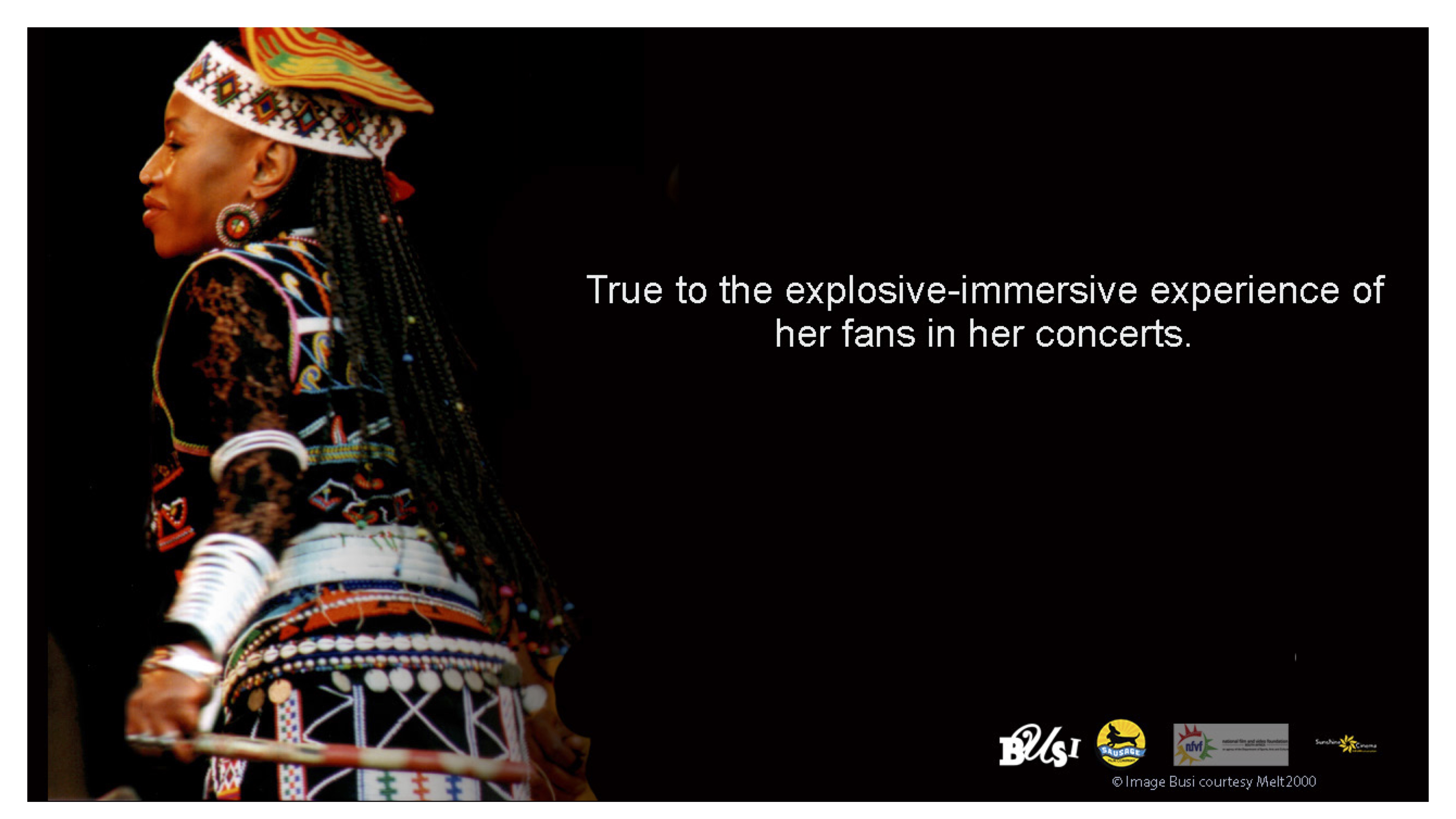
“Going to a Busi concert was like being branded. It was like a ring of fire that was placed on your forehead or your butt or wherever. But you came away burnt. You were branded. You'd seen that concert. You'd been in that moment.” Giselle Turner
For the young generation of creatives yet to understand the influence and impact that South African arts and culture has in bringing freedom, Urban Zulu, The Busi Mhlongo Story, will make a profound impact in their lives and future creative endeavours and create a resource of hope.
Urban Zulu is an internationally resonant theme of a trail blazing woman, overcoming racism of apartheid, patriarchy in the music industry and personal struggles to become an international sound sensation.
Busi remains an enduring icon to this day. Her legacy speaks volumes to the new style of Afrocentrity and Afro-futurism that current and future generations gravitate towards. Yet the film will provide the first significant memorialisation of her legacy. And in perfect timing.
Although 30 years into the hard-fought South African democracy, the role of music in the transition of the nation has never really been told. Of course, Clint Eastwoods “Invictus” has told the masculine side of the unity that rugby brought to South Africa. Urban Zulu, The Busi Mhlongo Story, provides the feminine and self-referential cultural account of the role of music and heritage in the unity South Africa experiences today.
Despite the stringent patriarchy of the old South Africa, Busi breaks barriers for African female band leaders. The impact of elevating such a pioneering female voice onto screen is a powerful reconnection of young people with their heritage. The story resonates widely not only with the youth of her region, the Ngoma groups of Kwa Zulu Natal, the youth centres of Inanda and scholars of her Ohlange High School, but everyone with an interest in
“transcendence.”
Transcendence is change. Change of one-self, change for audiences and ultimately change to the socio-political constructs that depressed and oppressed generations.
The film is highly relevant to our South African national identity and the basic human right of practicing your cultural heritage. In the rapidly urbanising world attempting to make Americans of us all, Busi became a pioneering figure in celebrating her Zulu cultural identity in her performances in the rhythm, fashion, songs and language. Her unique Urban Zulu style, her artistic fusion of ancient and future were the initial experiences for the new South Africa the whole world became to love.
Her music lives on in the performance repertoires of celebrated contemporary artists the likes of Simphiwe Dana, Siphokazi, Putuma, Thandi Mazwai, Black Coffee and Dr’s Madal Kunene and Nduduzo Makhatini. The film provides a unique meeting of inter-personal and political transformation and is the soundtrack for the unity of the “rainbow nation,” which Mandela termed the New South Africa.
Hearing of this story for the first time in January 2025, South Africa’s top film-maker, Emmy award winner Rehad Desai immediately attached as director. Supported by NFVF the team travelled to Holland, Movies that Matter in 2025 to meet the Dutch co-operators including producer Katja Draaijer of Submarine. Submarine’s recent Oscar nominated success Soundtrack to a Coup D’etat is a striking similarity in the role of music in political change as was US jazz in the civil rights movement.
Busi is a messenger for transcendence, which is spiritual term for going above and beyond limitation. From the external pressures of cultural isolation to the joy of cultural unity, her life journey is an archetypal journey of a heroine of Zulu culture, or what is termed a sangoma (meaning healer).
The youngest of this generation of musical change makers that included the likes of Miriam Makeba, Letta Mbulu and Hugh Masekeka, Busi’s life’s work and legacy had never been significantly memorialised, until this moment.
Busi’s life stands as a testimony to women’s rights, breast cancer awareness, and a female band leader. Her story connects to broader global issues of Black Woman Power and unleashing our creative expression and is a soundtrack to the miracle peaceful transformation of South Africa.